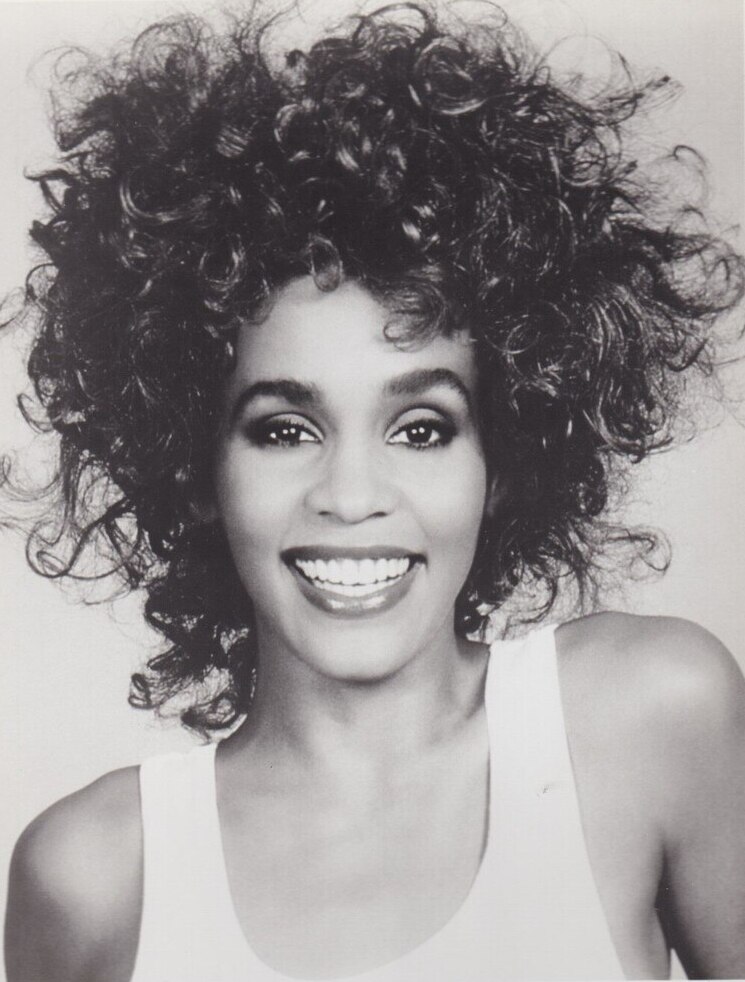
Whitney Houston's Iconic Hits: Chart-Topping Songs and Grammys
Few artists in history have commanded the stage and the recording studio with the sheer vocal power and emotional depth of Whitney Houston. Known universally as "The Voice," Houston set an unprecedented standard for female pop and R&B singers, crafting a discography brimming with chart-topping songs and earning a dazzling array of Grammy Awards throughout her illustrious career. Born in Newark, New Jersey, in 1963, her journey from a gospel choir to global superstardom is a testament to extraordinary talent, astute mentorship, and an undeniable connection with audiences worldwide.
Her impact transcended music, influencing fashion, film, and culture, solidifying her status as one of the best-selling musical performers of the 1980s and '90s. Even after her untimely passing in 2012, her music continues to inspire, resonate, and remind us of a talent that was truly once in a lifetime. To understand the magnitude of her artistry, one must delve into the origins of her sound and the spectacular success that followed.
The Genesis of a Superstar: From Gospel Roots to Arista Debut
Whitney Houston's musical lineage was nothing short of legendary. The daughter of gospel and R&B singer Cissy Houston, who performed backup for icons like Aretha Franklin, and cousin to the equally legendary Dionne Warwick, Whitney's destiny seemed preordained. Her foundational training began in the New Hope Baptist Church choir, where her prodigious talent first bloomed. She often recounted how the rapturous response from the congregation instilled in her an early awareness of the "infectious thing that God had given me."
Even before signing her groundbreaking record deal, Houston was already making waves. While still in high school, she lent her voice as a backup singer for established artists such as Chaka Khan and Lou Rawls. Her striking natural beauty also caught the eye of the fashion world, leading her to become one of the first African American women to grace the cover of Seventeen magazine. However, music remained her ultimate passion.
The pivotal moment arrived when she was just 19. Discovered in a nightclub by the visionary president of Arista Records, Clive Davis, Houston's raw talent was unmistakable. Davis, recognizing her immense potential, signed her immediately and meticulously guided her transition from gospel phenom to mainstream pop sensation. Jazz legend Tony Bennett, upon first hearing her, famously declared to Davis, "Clive, that's the best singer I ever heard in my life." This sentiment would soon be echoed by millions. For a deeper dive into her foundational sound, explore From Gospel Roots to Global Stardom: Whitney Houston's Legacy.
Chart Dominance and Grammy Glory: A Reign of Hits
Whitney Houston's self-titled debut album, released in 1985 when she was 22, was an immediate sensation. It wasn't just a successful album; it was a cultural phenomenon that launched her into the stratosphere of pop music. This groundbreaking record spawned three number-one singles on the Billboard Hot 100 chart:
- "Saving All My Love for You": This soulful ballad earned Houston her very first Grammy Award for Best Female Pop Vocal Performance, signaling her arrival as a serious vocal force.
- "How Will I Know": An upbeat, infectious pop track that showcased her versatility and appeal to a broader audience.
- "Greatest Love of All": What would become one of her most iconic and enduring signature songs, a powerful anthem of self-love and resilience.
The debut album itself garnered two additional Grammy nominations, including the coveted Album of the Year, a rare feat for a debut artist.
The success continued and escalated with her second album, Whitney (1987), which delivered an astonishing four more number-one singles, cementing her position as a chart powerhouse and earning her another Grammy. She made history by becoming the first artist to have seven consecutive number-one singles on the Billboard Hot 100, an achievement that remains unparalleled. Albums like I'm Your Baby Tonight (1990) and My Love Is Your Love (1998) further showcased her evolving sound and continued ability to deliver global hits.
The "I Will Always Love You" Phenomenon and The Bodyguard Era
While her studio albums were undeniably successful, it was 1992 that solidified Whitney Houston's legend in an entirely new realm. She made her motion-picture debut in the romantic thriller The Bodyguard, starring opposite Kevin Costner. The film was a massive box office hit, but its soundtrack became one of the best-selling albums of all time, largely propelled by Houston's show-stopping rendition of Dolly Parton's ballad, "I Will Always Love You."
Houston's version of "I Will Always Love You" was not just a cover; it was a reinvention, a vocal masterclass that redefined the song. It soared to number one on the Billboard Hot 100 and stayed there for an astounding 14 consecutive weeks, breaking records and becoming her definitive signature song. The film's soundtrack dominated the Grammy Awards the following year, with Houston winning three of the night's most prestigious honors:
- Album of the Year
- Record of the Year (for "I Will Always Love You")
- Best Female Pop Vocal Performance (for "I Will Always Love You")
This period marked the pinnacle of her crossover appeal, proving her unparalleled ability to dominate both music charts and the silver screen. Her performance in The Bodyguard, followed by other film roles in Waiting to Exhale (1995) and Sparkle (2012), showcased her talent extended far beyond her vocal cords. To explore the unique qualities of her voice and its impact, read Whitney Houston: How "The Voice" Defined Pop Music Excellence.
Enduring Influence and Legacy
Though her personal life, including her marriage to Bobby Brown and struggles with substance abuse, often overshadowed her artistic achievements in later years, Whitney Houston's resilience and dedication to music never fully waned. She staged a triumphant comeback with her 2009 album, I Look to You, which debuted at number one, reminding the world of her undiminished vocal prowess and enduring appeal.
Her tragic death on February 11, 2012, left a void in the music world, but her legacy continues to thrive. Whitney Houston amassed an incredible six Grammy Awards, 22 American Music Awards, and countless other accolades throughout her career. More than the statistics, it's the feeling she evoked in listeners that truly sets her apart. Her ability to convey raw emotion, whether through a soaring ballad or an upbeat dance track, made her music timeless.
Why Whitney's Music Still Resonates: Key Takeaways
- Unmatched Vocal Prowess: Her multi-octave range, impeccable control, and ability to imbue every note with feeling remain a benchmark.
- Genre Fusion: Expertly blending gospel, soul, R&B, and pop, she created a sound that was universally appealing yet distinctly her own.
- Emotional Connection: Whitney sang not just with her voice, but with her soul, creating deeply moving experiences for her audience.
- Impact on Future Artists: Generations of singers cite her as their primary influence, from Mariah Carey to Beyoncé to Adele.
In conclusion, Whitney Houston's contribution to music is immeasurable. Her iconic hits, from the empowering "Greatest Love of All" to the breathtaking "I Will Always Love You," are more than just songs; they are anthems that have shaped the sound of an era and continue to touch hearts globally. Her numerous Grammy Awards are a testament to her critical acclaim, but it is "The Voice" itself, with its unmatched power and profound emotion, that truly defines her immortal legacy. Whitney Houston didn't just sing; she transported us, she inspired us, and she will forever remain a beacon of musical excellence.