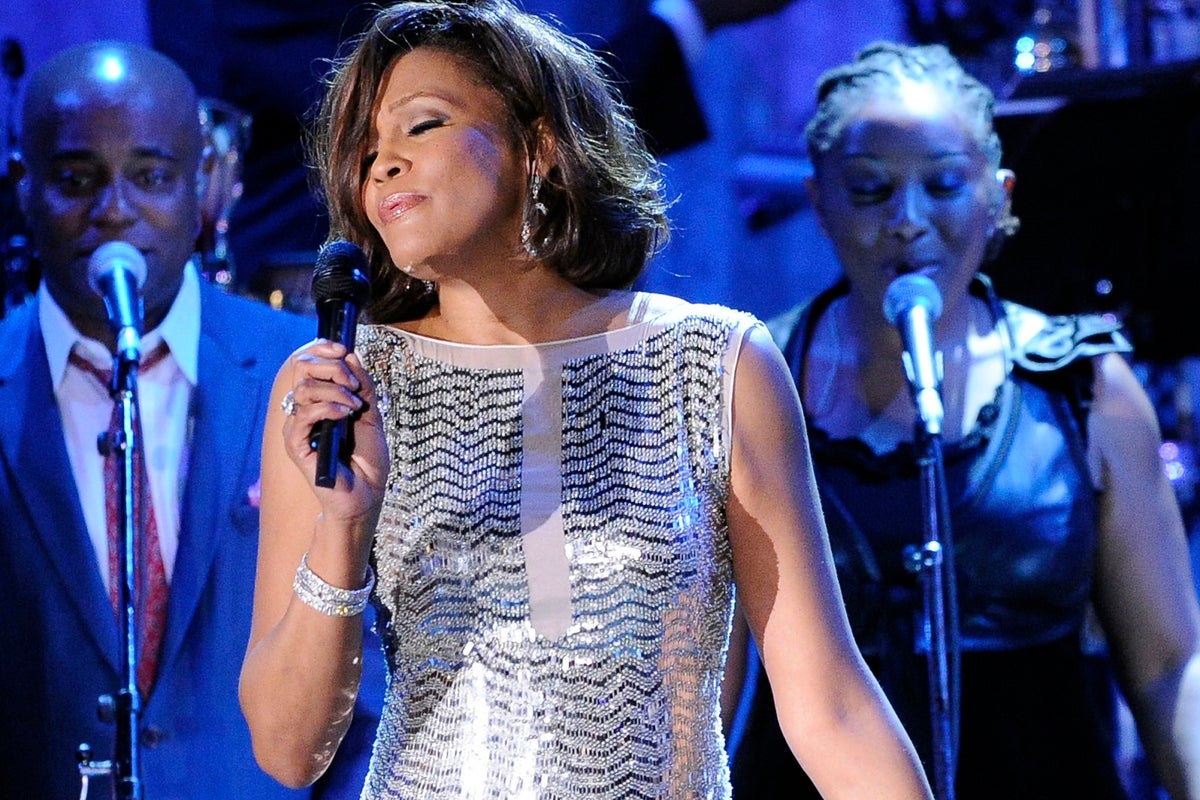
From Gospel Roots to Global Stardom: Whitney Houston's Enduring Legacy
Born into a lineage steeped in musical greatness, Whitney Houston was destined for more than just fame; she was destined for legend. From the resonant hymns of the New Hope Baptist Church to the dizzying heights of global pop superstardom, her journey transcended mere entertainment. Known universally as "The Voice," Houston set an unparalleled standard for vocal excellence, emotional depth, and crossover appeal that continues to inspire and awe generations of artists and fans alike. Her life, a tapestry woven with extraordinary talent, groundbreaking achievements, personal battles, and triumphant returns, cemented her place as one of the best-selling and most influential musical performers of all time.
The Formative Years: Gospel, Family, and Early Aspirations
Whitney Elizabeth Houston arrived on August 9, 1963, in Newark, New Jersey, into a family where music wasn't just a passion; it was a way of life. Her mother, Cissy Houston, was a Grammy-winning gospel singer who provided backup vocals for icons like Aretha Franklin and Elvis Presley. Her cousin was the legendary Dionne Warwick, and her godmother was the Queen of Soul herself, Aretha Franklin. This rich musical heritage provided a powerful foundation, but it was in the pews of the New Hope Baptist Church, where her mother served as choir minister, that young Whitney truly found her voice.
Singing in church as a child, Houston quickly discovered the electrifying connection between her voice and her audience. She once recounted to Diane Sawyer how a rapturous response from the congregation at New Hope had a profound effect on her, stating, "I think I knew then that [my singing ability] was an infectious thing that God had given me." This early immersion in gospel music instilled in her a soulful power and a masterful control that would become her signature. Even before her breakthrough, her talent was undeniable. As a teenager, she sang backup for Chaka Khan and Lou Rawls, showcasing her burgeoning abilities. Her striking beauty also caught the eye of photographers, leading to a successful modeling career, including a historic cover for Seventeen magazine as one of the first African American women to grace its front. However, music remained her undeniable calling.
The turning point arrived when, at just 19 years old, she was discovered by Arista Records president Clive Davis in a New York City nightclub. Davis, a visionary industry veteran, recognized her extraordinary talent instantly. Jazz legend Tony Bennett, upon hearing her sing for the first time, famously called Davis to exclaim, "Clive, that’s the best singer I ever heard in my life." Under Davis's meticulous guidance, Houston was groomed for unprecedented crossover pop success, bridging the gap between her gospel roots and mainstream appeal.
Rising to Unprecedented Stardom: Chart Dominance and "The Voice"
In 1985, at the age of 22, Whitney Houston released her self-titled debut album, a masterpiece that would redefine pop music. It wasn't just an album; it was a phenomenon. It yielded an astonishing three number-one singles on the Billboard Hot 100: "How Will I Know," "Saving All My Love for You" (which earned her first Grammy Award for Best Female Pop Vocal Performance), and "Greatest Love of All," a soaring anthem that became her signature song and a timeless message of self-empowerment. The album’s success was quickly followed by her second effort, Whitney (1987), which delivered four more number-one singles, further solidifying her dominance on the charts and earning her another Grammy.
What set Whitney Houston apart was not just her ability to hit high notes, but the unparalleled clarity, power, and emotional resonance she imbued in every lyric. Her vocal range was prodigious, her control impeccable, and her ability to convey deep emotion made her performances unforgettable. She was, quite simply, "The Voice," a benchmark against which all other female pop singers were judged. Her ability to effortlessly transition between genres, from soulful R&B to powerful pop ballads, demonstrated her versatility and widespread appeal. For a deeper dive into her unique vocal mastery, explore Whitney Houston: How "The Voice" Defined Pop Music Excellence.
Throughout the late 80s and 90s, Houston continued to release critically acclaimed and commercially successful albums, including I'm Your Baby Tonight (1990) and My Love Is Your Love (1998). Each album showcased her evolving artistry while maintaining the powerful vocal delivery that had captivated the world.
A Crossover Icon: Film, Soundtracks, and Enduring Hits
Whitney Houston’s stardom wasn't confined to the recording studio; she seamlessly transitioned into acting, making her motion-picture debut in 1992 with The Bodyguard. This film not only became a box office sensation but also spawned one of the best-selling soundtracks of all time. At its heart was her iconic rendition of Dolly Parton’s ballad, "I Will Always Love You." Houston’s soulful, powerful, and deeply emotive performance transformed the country classic into a global anthem, spending an astounding 14 weeks at number one and becoming synonymous with her legacy. The film's soundtrack dominated the Grammys the following year, with Houston winning Album of the Year, Record of the Year, and Best Pop Vocal Performance.
Her film career continued with other memorable roles and soundtracks, including Waiting to Exhale (1995) and The Preacher's Wife (1996), further proving her prowess as a multi-talented entertainer. Her soundtracks were often as beloved as her studio albums, showcasing her ability to weave her powerful voice into compelling narratives. The impact of these songs and her countless other chart-toppers is immeasurable. To revisit her most significant musical achievements, check out Whitney Houston's Iconic Hits: Chart-Topping Songs and Grammys.
Her influence extended beyond music and film, touching fashion, culture, and social commentary. She broke barriers as a Black woman in mainstream media, inspiring countless individuals with her grace, talent, and unwavering presence.
Personal Struggles and Triumphant Returns
Despite her monumental success, Whitney Houston’s life was not without its profound challenges. Her marriage to singer Bobby Brown in 1992 became a frequent subject of public scrutiny, and by the early 2000s, her struggles with substance abuse began to overshadow her music career. Her once pristine image was tarnished, and her performances became less consistent. It was a difficult period for her, her family, and her devoted fanbase, who watched as her personal battles unfolded in the harsh glare of the public eye.
Yet, Houston possessed an undeniable resilience. In 2009, she made a highly anticipated comeback with the album I Look to You, which debuted at number one on the Billboard 200, proving that her powerful voice and artistry could still captivate the world. She also co-starred in the musical film Sparkle, her final acting role, demonstrating her enduring commitment to her craft despite the immense personal hurdles she faced. These moments of triumph were a testament to her strength and her unbreakable connection to music.
A Legacy Immortalized: The Enduring Impact of Whitney Houston
On February 11, 2012, the world mourned the loss of an icon. Whitney Houston died in Beverly Hills, California, at the age of 48, from accidental drowning, with heart disease and cocaine use listed as contributing factors. Her passing sent shockwaves across the globe, a somber reminder of the fragility of even the most powerful voices.
However, death could not diminish her immense legacy. Whitney Houston's impact reverberates through music today. Her flawless technique, incredible vocal agility, and emotive delivery continue to be studied and admired by aspiring singers and seasoned professionals alike. She wasn't just a singer; she was a cultural phenomenon who transcended genres, racial barriers, and generations. Her music offered solace, celebration, and inspiration, articulating universal emotions with unmatched power.
For aspiring artists, Whitney's journey offers profound lessons:
- Nurture Your Roots: Her gospel foundation gave her voice its incredible depth and soul. Understanding where your talent comes from is key.
- Seek Mentorship: Clive Davis's guidance was crucial in shaping her career. Finding experienced mentors can be invaluable.
- Master Your Craft: Her dedication to vocal excellence made her "The Voice." Consistent practice and striving for perfection are non-negotiable.
- Embrace Your Unique Sound: While she covered songs, she made them her own. Authenticity is paramount.
Her songs remain staples on radio, in films, and in the hearts of millions. From the uplifting "I Wanna Dance With Somebody (Who Loves Me)" to the poignant "Run to You," her discography is a testament to her versatility and timeless appeal. Whitney Houston’s voice was a gift, a force of nature that broke records, inspired millions, and left an indelible mark on the landscape of global music. Her legacy isn't just about sales or awards; it's about the emotional connection she forged with audiences, a connection that endures, making her truly immortal.
From the raw power of her gospel beginnings to her unparalleled status as a global superstar, Whitney Houston’s life story is a compelling narrative of extraordinary talent, groundbreaking achievement, and profound humanity. She was more than just a singer; she was a phenomenon whose voice became the soundtrack to a generation, leaving behind a legacy that continues to resonate with undeniable power and everlasting beauty.