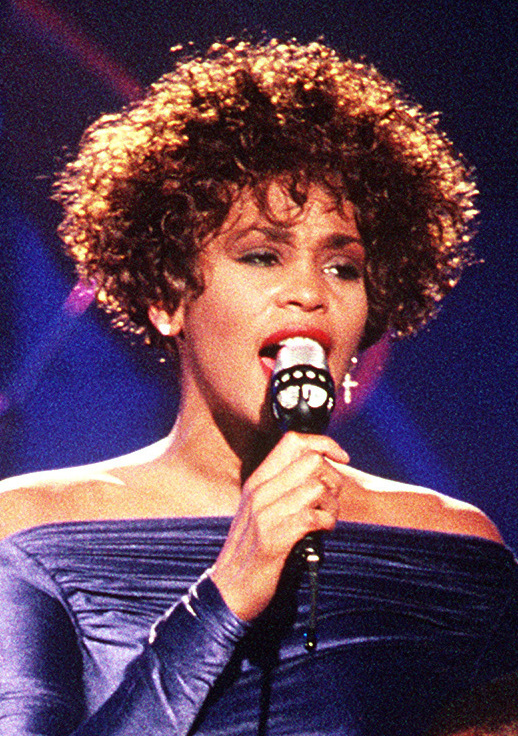
Whitney Houston: How "The Voice" Defined Pop Music Excellence
In the annals of music history, few artists have left an indelible mark quite like Whitney Houston. Born in Newark, New Jersey, on August 9, 1963, and tragically passed away on February 11, 2012, in Beverly Hills, California, Houston was far more than just a singer; she was a phenomenon. Bestowed with the apt moniker "The Voice," her unparalleled vocal ability and profound emotive power didn't just entertain, they established a gold standard against which all other female pop singers of her era were judged. Her career, spanning the 1980s and '90s, solidified her status as one of the best-selling musical performers globally, redefining what it meant to achieve pop music excellence.
Whitney's impact wasn't merely about chart success; it was about the sheer artistry and technical brilliance she brought to every note. Her voice, a perfect blend of power, purity, and precision, had the rare ability to transcend genres, moving effortlessly from gospel's soulful depths to pop's polished accessibility. This unique fusion, coupled with her captivating stage presence, made her a cultural icon whose influence resonates deeply even today, inspiring countless vocalists and reshaping the landscape of contemporary music.
The Genesis of a Legend: From Church Choir to Stardom
The seeds of Whitney Houston's extraordinary talent were sown early in a rich musical lineage. The daughter of Cissy Houston, a gospel legend and a revered backup singer for artists like Aretha Franklin, and the cousin of the iconic Dionne Warwick, Whitney's destiny seemed preordained. Her earliest performances took place not on grand stages, but within the sacred walls of the New Hope Baptist Church, where her mother served as choir minister. It was there that a young Whitney, even as a child, began to captivate audiences with her raw, undeniable gift.
As a teenager, Houston's talent blossomed. While still attending high school, she lent her powerful vocals as a backup singer for established stars such as Chaka Khan and Lou Rawls. Her striking natural beauty also caught the eye of a photographer, propelling her into a burgeoning modeling career. She became one of the first African American women to grace the cover of Seventeen magazine, showcasing a versatility that hinted at the multifaceted star she would become. Despite these early forays into modeling, music remained her undeniable passion.
The pivotal moment arrived when a 19-year-old Whitney was discovered by Arista Records' president, Clive Davis, while performing in a nightclub. Davis, renowned for his ability to spot and nurture talent, immediately recognized her unparalleled potential. He signed her on the spot, embarking on a meticulous two-year process to groom the gospel-rooted singer for mainstream crossover pop success. This careful cultivation laid the groundwork for her groundbreaking debut. Jazz legend Tony Bennett, upon hearing her sing for the first time, famously called Davis, proclaiming, "Clive, that’s the best singer I ever heard in my life." This sentiment was a prelude to the global adoration that would soon follow. To delve deeper into her foundational journey, explore From Gospel Roots to Global Stardom: Whitney Houston's Legacy.
A Debut That Changed the Game: Chart-Topping Success and Grammys
When Whitney Houston released her self-titled debut album at the age of 22 in 1985, it wasn't just another record; it was a watershed moment in pop music. The album, a meticulously crafted showcase for her incredible vocal range and emotive depth, spawned an unprecedented three number-one singles on the Billboard Hot 100 chart: "How Will I Know," "Saving All My Love for You," and the inspirational ballad that would become her signature, "Greatest Love of All." "Saving All My Love for You" not only topped the charts but also earned Houston her first Grammy Award for Best Female Pop Vocal Performance in 1986, signaling the arrival of a truly dominant force.
The success continued unabated with her second album, Whitney, released in 1987. This album made history as the first by a female artist to debut at number one on the Billboard 200, delivering four more consecutive number-one singles, including "I Wanna Dance with Somebody (Who Loves Me)" and "Didn't We Almost Have It All." This string of hits solidified her status as a global superstar and cemented her reputation for impeccable vocal delivery and infectious pop appeal. Further albums like I'm Your Baby Tonight (1990) and My Love Is Your Love (1998) continued to showcase her evolving artistry, blending R&B influences with her signature pop sound, each yielding more iconic tracks and demonstrating her versatility. These albums, filled with ballads and up-tempo anthems, not only topped charts but also became cultural touchstones, defining the sound of a generation. For a comprehensive look at her chart-topping achievements, see Whitney Houston's Iconic Hits: Chart-Topping Songs and Grammys.
Beyond the Mic: Film, Philanthropy, and "I Will Always Love You"
Whitney Houston's ambition and talent extended beyond the recording studio. In 1992, she made her triumphant motion-picture debut in The Bodyguard, starring opposite Kevin Costner. The film was a massive commercial success, but its true cultural impact lay in its accompanying soundtrack. Houston's soulful and utterly breathtaking rendition of Dolly Parton’s ballad, "I Will Always Love You," became an instant global phenomenon. It dominated the charts for an astonishing 14 weeks at number one, shattering records and becoming one of the best-selling singles of all time. The film's soundtrack became the best-selling soundtrack album of all time, further solidifying her global appeal.
The dominance of The Bodyguard soundtrack was undeniable at the 1994 Grammy Awards, where Houston swept the major categories, winning Album of the Year, Record of the Year, and Best Pop Vocal Performance, Female. Her ability to infuse such raw emotion and technical brilliance into a single song demonstrated her unparalleled artistry, making "I Will Always Love You" a benchmark for vocal performance. Houston continued to grace the silver screen, starring in films like Waiting to Exhale (1995) and the musical film Sparkle (2012), further showcasing her acting prowess. Beyond her artistic endeavors, Whitney also engaged in significant philanthropic work, particularly through The Whitney Houston Foundation For Children, which aided homeless children and those with cancer or AIDS, demonstrating her commitment to giving back.
One practical insight for aspiring artists from Houston's film career is the power of a synergistic release. The Bodyguard showed how a strong cinematic presence could amplify musical success to unprecedented levels, creating a cultural event rather than just a song or a movie. Her selections of roles often allowed her to integrate her musical talents, giving audiences a complete experience of her star power.
The Enduring Legacy of "The Voice": Impact and Inspiration
The legacy of Whitney Houston is etched into the very fabric of popular music. Her voice, characterized by its incredible three-octave range, pristine tone, flawless pitch, and unparalleled ability to deliver soaring, sustained notes, became the definitive sound of a generation. She pioneered the use of melisma and vocal runs in a way that felt both technically brilliant and deeply emotive, influencing countless singers who followed, from Mariah Carey to Beyoncé to Adele. Houston didn't just sing songs; she inhabited them, conveying profound feeling with every nuanced phrase.
Her technical mastery was rooted in her gospel training, which gave her the breath control, power, and improvisational skills to elevate pop music to an art form previously unseen. She taught listeners that pop could be powerful, profound, and technically perfect, all at once. Even amidst personal struggles, including her highly publicized marriage to Bobby Brown in 1992 and battles with drug use that impacted her career, her musical genius remained undimmed. Her 2009 comeback album, I Look to You, proved that her voice, though perhaps weathered, still possessed its signature power and emotion, captivating audiences once more.
Whitney Houston’s untimely death in 2012 from accidental drowning left a void that has yet to be filled. However, her music lives on, a testament to her enduring influence. Her songs are not just hits; they are anthems of love, resilience, and empowerment that continue to resonate with new generations. For anyone seeking to understand the zenith of vocal excellence in popular music, Whitney Houston remains the ultimate textbook. Her meticulous approach to song interpretation, her ability to convey universal emotions, and her sheer vocal power offer invaluable lessons for musicians and fans alike. She didn't just sing the notes; she made them unforgettable, proving why she will forever be revered as "The Voice."
In conclusion, Whitney Houston's journey from a church choir in Newark to global superstardom is a narrative of exceptional talent meeting unwavering dedication. She didn't just achieve excellence; she defined it, setting a standard that pushed the boundaries of what a pop vocalist could achieve. Her voice, her songs, and her story continue to inspire and resonate, cementing her place as an immortal icon whose influence on pop music excellence is truly immeasurable.